AMSOIL OE Synthetic Motor Oil is specially made for the extended oil change intervals recommended for your 1981 Gmc Trucks Jimmy 5.7L engine. It has advanced synthetic technology that resists chemical breakdown for maximum wear protection for your vehicle which is well beyond the traditional 3,000-mile oil change interval. Get the best synthetic oil now for your Gmc Trucks Jimmy.
With filter 5 quarts After refill check oil level.
This filter is for your 1981 Gmc Trucks Jimmy and is designed to last up to 25k (normal conditions) or 15k miles (severe conditions) or 1 year, whichever comes first.
WIX oil filter change intervals for your 1981 Gmc Trucks Jimmy are extended OEM recommendations to match the drain intervals of AMSOIL XL Motor oil. (12,000 miles or 1 year, whichever comes first).
Superior fuel cleansing for your 1981 Gmc Trucks Jimmy and it will prevent pump wear, injector clogging, premature engine wear while helping boost your Jimmy's fuel economy!
This lube is made to exceed the requirements of equipment and all vehicles that require SAE 80W-90 viscosity. It is made with synthetic base oils and top additives without adding any wax. Amsoil Severe Gear is solid against thermal breakdown. Will give you awesome protection for bearings and gears and tough against heat which will help extend the life of your equipment and avoid costly repairs. Made in the U.S.A.
This special formula is made for harsh operating conditions that pick-up trucks endure. Also top-notch protection for SUVs, heavy equipment, and other heavy-duty vehicles. Made in the USA.
This is a fantastic lubricant for towing trailers, heavy duty hauling, off road driving/4x4, commercial applications, and for race enthusiasts. This severe gear lube will protect bearings, gears from friction and exceeds performance of any regular gear oil out there!
Keep your truck or vehicle out of the shop and avoid costly repairs with this made in the USA lube.
Signature Series Multi-Vehicle Synthetic Automatic Transmission Fluid
Manual Transmission Fluid
3-SPD 3 pints
4-SPD 8 pints
Amsoil's Signature Series Multi-Vehicle Synthetic automatic transmission fluid is made to blow the doors off any regular or conventional ATF fluids on the market and our oil surpasses the performance needs of most vehicles. Protect your transmission and avoid costly repairs. This fluid has an advanced formula to give awesome top-notch protection under harsh operating conditions. Transmission repairs are expensive so protect your vehicle with this great fluid!
Awesome protection under extreme temperature! Protect heavy-duty transmissions with this made in the USA oil. Follow the service interval in your owner's manual. Protect your Gmc Trucks.
Signature Series Fuel-Efficient Synthetic Automatic Transmission Fluid
Automatic Transmission Fluid
(1) This specification has been updated from Dexron II or III to Dexron VI per a Technical Service Bulletin from the manufacturer
3 speed THM400 Total Fill 11 quarts
4.3 quarts Initial Fill
3 speed THM350 Total Fill 10 quarts
3.5 quarts Initial Fill
If a lighter viscosity is needed then this automatic transmission fluid provides top-notch protection! Recommended for Toyota, Ford, and General Motors transmissions. You will get the same awesome protection as Amsoil's Signature Series Multi-Vehicle automatic transmission fluid. Also recommended for vehicles that need GM DEXRON® VI, Ford MERCON® LV and SP, Honda DW-1, Nissan Matic-S, and Toyota WS fluid specifications.
Automatic Transmission Fluid
(1) This specification has been updated from Dexron II or III to Dexron VI per a Technical Service Bulletin from the manufacturer
3 speed THM400 Total Fill 11 quarts
4.3 quarts Initial Fill
3 speed THM350 Total Fill 10 quarts
3.5 quarts Initial Fill
Outstanding protection and resists varnish! Change interval based on your Jimmy owner's manual.
This lube is made to exceed the requirements of equipment and all vehicles that require SAE 80W-90 viscosity. It is made with synthetic base oils and top additives without adding any wax. Amsoil Severe Gear is solid against thermal breakdown. Will give you awesome protection for bearings and gears and tough against heat which will help extend the life of your equipment and avoid costly repairs. Made in the U.S.A.
This special formula is made for harsh operating conditions that pick-up trucks endure. Also top-notch protection for SUVs, heavy equipment, and other heavy-duty vehicles. Made in the USA.
This is a fantastic lubricant for towing trailers, heavy duty hauling, off road driving/4x4, commercial applications, and for race enthusiasts. This severe gear lube will protect bearings, gears from friction and exceeds performance of any regular gear oil out there!
Keep your truck or vehicle out of the shop and avoid costly repairs with this made in the USA lube.
maximum protection for your 1981 Gmc Trucks Jimmy under extreme temperatures and operating conditions! Lasts up to 150,000 miles or five years! (whichever comes first)
Engine Lubrication Care for the 1981 Gmc Trucks JIMMY 5.7L
Maintaining the lubrication system of a 1981 Gmc Trucks JIMMY with a 5.7L engine involves consistent monitoring and an understanding of how aging mechanical components interact with modern fluids. Proper oil management is a cornerstone of long-term vehicle health, ensuring that internal surfaces remain protected against friction and thermal stress.
Monitoring Fluid Condition and Consumption
One of the most effective ways to gauge the health of your 5.7L engine is through regular observation of lubricant levels and appearance. Rather than waiting for a warning light or a mechanical symptom, proactive owners often establish a routine of checking the dipstick during standard service intervals.
When inspecting the oil, look for changes in color or texture. While used oil naturally darkens over time due to the accumulation of microscopic particles, an extremely rapid change in appearance can warrant closer inspection. Furthermore, monitoring how much lubricant is consumed between service intervals provides vital data regarding the engine's current state. If you notice that the level is dropping more rapidly than expected, it may indicate that the engine is consuming oil, which can be associated with various internal conditions or aging seals.
It is also useful to observe any signs of external seepage. Inspecting the area around the engine block and the underside of the vehicle for fresh fluid spots can help identify if gaskets or seals are beginning to lose their effectiveness. Early detection of minor seepage often allows for more manageable maintenance than addressing a significant leak later.
Observing Potential Warning Signs
While many lubrication issues develop gradually, certain symptoms require immediate attention. If you notice unusual mechanical noises while the engine is running, this can be associated with insufficient lubrication or changes in fluid viscosity. Similarly, any sudden change in how the engine operates—such as a change in idle smoothness or unexpected performance shifts—should be investigated.
If your vehicle is equipped with an oil pressure indicator, pay close attention to its behavior. A warning light or a reading that falls outside of normal operating parameters is a critical signal that requires immediate investigation. It is important to remember that these symptoms can have multiple causes; for instance, a low-pressure reading might be related to the lubricant level, the filter, or other mechanical components. Rather than attempting to diagnose the specific cause yourself, use these signs as a prompt to seek a professional inspection.
Additionally, keep an eye on exhaust observations. While smoke color can be influenced by many factors, certain types of exhaust discoloration may indicate that engine oil is entering the combustion process. Such observations are best addressed promptly to prevent further complications.
Prioritizing Maintenance for Aging Engines
As a vehicle from 1981 ages, maintenance priorities often shift from purely preventive measures to condition-based management. Instead of following a rigid schedule based solely on the age of the vehicle, it is more effective to prioritize tasks based on the actual physical state of the components.
If you are stepping into ownership of this JIMMY without a complete service history, your first priority should be establishing a maintenance baseline. This involves performing a thorough inspection of all fluids and filters and documenting their condition. Once you have a clear understanding of the current state of the engine, you can better distinguish between necessary repairs and routine preventive maintenance.
For an older 5.7L engine, focusing on the integrity of the lubrication system is a high-value strategy. This includes:
Reviewing any available service records to identify patterns in oil consumption or previous repairs.
Inspecting aging materials, such as hoses or belts (if equipped), for signs of cracking, glazing, or brittleness.
Monitoring the effectiveness of the crankcase ventilation system, if present, to ensure it is functioning correctly.
Addressing any active leaks or visible seepage before they escalate into larger mechanical issues.
By focusing on the current condition of the vehicle rather than making assumptions based on its age, you can make more informed decisions about where to allocate your maintenance budget and time.
The Role of Lubricant in Engine Protection
Engine oil performs several vital roles that are essential for the continued operation of the 5.7L engine. Beyond simply reducing friction between moving parts, the lubricant acts as a medium for heat management, helping to carry thermal energy away from high-temperature areas within the engine.
Furthermore, the oil serves as a cleaning agent. As it circulates, it helps to suspend microscopic contaminants and combustion byproducts, preventing them from settling and forming deposits or sludge. Maintaining clean, fresh lubricant is essential for ensuring that these particles are carried to the filter and removed from the system. High-quality lubricants are designed with specific additives to improve oxidation resistance and thermal stability, which helps the oil maintain its protective properties even under demanding operating conditions.
Practical Steps for Long-Term Ownership
Successful long-term ownership of a classic truck like the 1981 Gmc Trucks JIMMY relies heavily on meticulous record-keeping. Maintaining a detailed log of every oil change, filter replacement, and fluid top-off provides an invaluable history of the vehicle's health.
These records allow you to spot trends that might otherwise go unnoticed. For example, if your logs show that you have had to add a small amount of oil every month for the last year, you have documented evidence of a gradual change in consumption. This data is much more useful for a mechanic than a vague description of how the vehicle "seems" to be running.
Additionally, keeping records helps establish the value of the vehicle and provides peace of mind that the engine has been treated with consistent care. When maintenance is approached as a continuous process of monitoring and responding to the vehicle's specific needs, you can extend the functional life of the engine significantly.
Buying Engine Oil for your 1981 Gmc Trucks JIMMY 5.7L
When it is time to replenish your lubricant, the most important step is to ensure that the product you select matches the application-specific information provided for your vehicle. Because different engines have different requirements regarding additive packages and base oils, you should always refer to the specific viscosity and service requirements listed on this webpage before making a purchase.
When shopping for oil, consider the following practical tips:
Match the lubricant to the vehicle-specific viscosity information shown above rather than relying on general automotive knowledge or assumptions based on the engine size.
Check the product labeling to ensure it meets the appropriate API (American Petroleum Institute) service classifications.
If your engine shows signs of high mileage, you may want to consider whether a high-mileage formulation—which often includes seal-conditioning additives—is appropriate for your specific situation.
Evaluate different oil types, such as conventional, synthetic blends, or full synthetics, based on the requirements provided in your application data.
Always verify that the container is sealed and that the label clearly states the intended use and viscosity.
By following the guidance provided in the application information for this 1981 Gmc Trucks JIMMY 5.7L, you can select a lubricant that supports the continued health and performance of your engine.
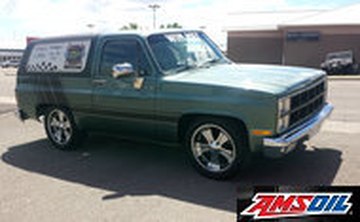
Vehicle photograph from our catalog. Appearance may differ by model or trim.
If you're looking for another year, make or model instead of this 1981 Gmc Trucks JIMMY motor oil, try one of these similar models below. We try to keep one page for each model vehicle.